ZHANGQIU, SHANDONG, CHINA, November 27, 2026 /EINPresswire.com/ — Hey, so you’re on the hunt for the best sterile hand towels in 2026? Honestly, it’s not just about price tags or how many you get in a pack. You really gotta think about where you’re actually using them and what you need them to do. Like, a clinic getting ready for a procedure? They’d probably care a lot about low lint and how well they soak up water – you don’t want bits of fiber floating around. Labs, on the other hand, they’d be all about the sealed packaging and clear lot numbers – traceability is key, right? It’s the little things that make the difference.
Okay, so when you’re comparing products, you shouldn’t just look at the brand or price. I mean, there are practical things to check out – like how sturdy the packaging is, what they say about sterilization, the material itself, how absorbent it is, whether it sheds lint, and how easy it is to handle. Also, don’t forget to see if the instructions actually tell you how to store and use the thing properly. Before you even open it, give the package a once-over. If the seal’s broken or the label’s all smudged, that’s a red flag – you shouldn’t have to guess. And remember, just because it looks clean doesn’t mean it’s sterile. So keep all that in mind.
Honestly, there’s no single towel that works best in every situation. Sure, some might shine in controlled tests, but when you’re actually using them day-to-day, they can feel clumsy or heavy. That’s a real trade-off we should own up to. The point of this overview isn’t to push any one product—instead, we want to help you separate genuinely useful facts from the usual marketing fluff. And hey, always double-check the latest specs with the manufacturer, because product details and availability change quicker than you’d think. Plus, remember to stick to the instructions and your workplace’s rules. That’s just common sense, right? So the comparisons we’re about to look at? They’re a decent place to start—nothing more. You’ll still need to dig into what makes your site unique, obviously.
What Sterile Hand Towels Are and Where They Are Used
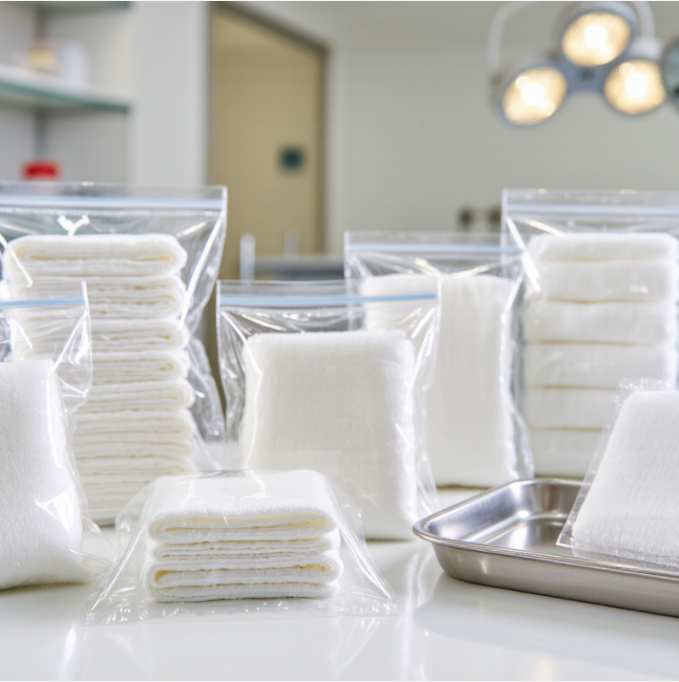
Sterile hand towels are absorbent towels processed and packaged to remain sterile until opened. In healthcare settings, they are commonly used to dry hands and forearms after surgical hand antisepsis, before staff put on sterile gowns and gloves. Packaging may contain one or more towels, with instructions for opening and use. That detail matters.
Operating Room Sterile Hand Towels should be soft enough to dry skin without rough rubbing and strong enough to stay intact when damp. Staff use them in operating rooms and other areas where sterile technique is required. A towel’s role is drying, not disinfecting; hand antisepsis still follows the facility’s approved procedure. Users should avoid letting the towel touch a sink, clothing, or another nonsterile surface. If the package is wet, torn, or already open, sterility may be uncertain, so staff should follow local policy rather than assume it is safe. Not every towel. The right choice can depend on absorbency, lint control, packaging, and the needs of the specific care area.
How Sterile Hand Towels Are Made and Packaged
What Are the Top Sterile Hand Towels in 2026?
How Sterile Hand Towels Are Made and Packaged
Sterile hand towels begin with material selection. Manufacturers may use nonwoven fibers or processed textile, then cut and fold towels in controlled conditions. Each towel must withstand its chosen sterilization method without becoming brittle or shedding fibers. Irradiated Sterile Towels, for example, require a validated radiation dose and compatible packaging. The towel is only part of the system. The sealed pack must preserve sterility until use. ISO 11607-1:2019 outlines requirements for packaging terminally sterilized medical devices. Small details matter.
Packaging lines inspect seals, print lot codes, and check that packs are intact. These steps support traceability and help staff identify damaged packaging before use. CDC’s National and State Healthcare-Associated Infections Progress Report documents ongoing infection-prevention challenges; its widely cited estimate is about one in 31 hospitalized patients with a healthcare-associated infection on any given day. That figure does not measure towel effectiveness, but it underscores why controlled handling and clear packaging matter. Not every pack looks perfect under a bright inspection lamp; human review still has limits.
Tip: Check the package seal, expiry information, and instructions before opening. Keep packs dry and avoid using any with punctures, loose seams, or unclear labels. Ask suppliers for sterilization validation and packaging-integrity documentation, not just a “sterile” claim.
What Are the Top Sterile Hand Towels in 2026? — How Sterile Hand Towels Are Made and Packaged
Towel Format Typical Material Common Characteristics Typical Sterilization Options Common Packaging Typical Use
Disposable nonwoven towel Absorbent cellulose-based or synthetic-fiber nonwoven, sometimes a blend Single-use; available in different sizes and absorbency levels. The exact linting and strength performance depend on the material and construction. Ethylene oxide or radiation may be used when compatible with the material and validated product process. Individually sealed sterile-barrier pouch, or a sterile pack containing multiple towels Hand drying after surgical hand antisepsis and other controlled clinical tasks
Disposable woven cotton towel Woven cotton Soft, absorbent textile construction; product performance varies with weave, weight, and finishing. Intended for single use when supplied as a disposable sterile product. Steam or another validated method compatible with the towel and its packaging Wrapped sterile pack or sealed pouch designed to maintain the sterile barrier Clinical settings that specify a sterile, absorbent textile towel
Sterile towel pack One or more disposable nonwoven or woven towels Pack configuration may support a particular procedure or workflow; the number of towels and dimensions vary by product specification. Validated sterilization method selected for the contents and packaging materials Sealed medical packaging, often with an outer protective layer or carton Procedure preparation and sterile-field workflows where the towel is required to be sterile
There is no universal 2026 ranking: the appropriate towel depends on the intended use, facility requirements, absorbency needs, packaging format, and validated product claims. Sizes and features vary by supplier; check the product labeling and instructions for use.
How Sterile Hand Towels Are Made and Packaged
Manufacturing or Packaging Stage What Happens Quality and Sterility Considerations
1. Material selection Manufacturers select an absorbent textile or nonwoven material based on intended use and product specifications. Material composition, cleanliness, absorbency, strength, and compatibility with the intended sterilization method are evaluated.
2. Web or fabric production Fibers are formed into a nonwoven web or processed into woven fabric. The material may be finished or converted to meet specified performance requirements. Manufacturing controls help maintain consistent material properties and reduce contamination before packaging.
3. Cutting and converting Material is cut to the specified dimensions, folded if required, and assembled into individual towels or pack configurations. Dimensions, edge condition, visible defects, and pack contents are checked against product specifications.
4. Sterile-barrier packaging Towels are placed in packaging designed to allow the selected sterilization process and to protect the contents during storage and handling. Packaging materials and seals are assessed for compatibility, integrity, and ability to maintain the sterile barrier through the labeled shelf life.
5. Sterilization A validated process is applied. Ethylene oxide is used for some heat-sensitive products; steam or radiation may be suitable for other compatible products. The method and process parameters must be validated for the specific product and packaging. Sterility claims are supported by applicable process controls and regulatory requirements.
6. Inspection, labeling, and release Finished packs are inspected, labeled, and released after required production and quality checks. Labels identify relevant information such as product description, lot or batch identification, sterilization status, and expiration or use-by date where applicable. Packaging damage can compromise the sterile barrier.
Which Standards Apply to Sterile Hand Towels in 2026
In 2026, the right standard depends on what a sterile hand towel is intended to do. A towel marketed for clinical procedures may need evidence of validated sterilization, intact packaging, and controlled production. A towel for general personal care may not fall under the same medical-device requirements. Check its intended use and local rules before comparing products.
For terminally sterilized medical devices, EN 556-1 uses a sterility assurance level of 10⁻⁶: no more than a one-in-a-million probability of a viable microorganism remaining. That benchmark matters. ISO 11135 covers ethylene oxide sterilization, while the ISO 11137 series covers radiation sterilization. ISO 11607-1 addresses packaging designed to maintain sterility through storage and transport. These standards assess different parts of the process; a sterile label alone does not show that each was properly validated.
Look for traceable sterilization records, a lot number, and packaging with no tears, dampness, or broken seals. ISO 11737-1 provides methods for determining microbial populations on products, helping manufacturers establish bioburden before sterilization. Still, standards do not make every towel suitable for every procedure. That distinction is easy to miss. Even careful checks cannot replace the facility’s own requirements, and packaging inspections can be imperfect.
What Features Set Leading Sterile Hand Towels Apart
Leading sterile hand towels stand apart through verified sterility, dependable packaging, and practical performance at the sink. Look for clear lot identification, an intact seal, and a stated shelf life. Sterility is only useful when the package stays undamaged until use. Check the instructions for storage and handling, too.
The material should absorb water quickly without breaking apart or leaving visible lint on hands. A towel that feels soft when dry may become weak when wet, so wet strength matters. It should also unfold easily with gloved hands and fit the dispenser or clean work area. Small details count. A torn wrapper can disrupt a careful routine.
No towel is perfect for every task. Thicker sheets may absorb more, yet take longer to dry or create extra waste. Thin sheets may feel less secure. In practice, compare towels under the conditions they will actually face: handwashing frequency, available storage, and the way staff handle packaging. Product documentation can support that choice, but it does not replace checking each delivery for damaged seals or unclear labeling. A quick check helps.
Leading Sterile Hand Towel Options in 2026
Leading Sterile Hand Towel Options in 2026
The strongest Medical (Sterile) Paper Towels are not simply soft or thick. For clinical use, compare documented sterility, low lint, absorbency, wet strength, and packaging that stays intact at the point of use. A towel that tears when damp can slow a careful hand-drying routine. Check lot identification and expiration details, too. Small details matter.
WHO’s 2022 Global Report on Infection Prevention and Control estimates that 7 in 100 patients in high-income acute-care hospitals acquire at least one healthcare-associated infection; in lower- and middle-income countries, the estimate is 15 in 100. Those figures describe a broad infection burden, not towel performance. Still, they underline why drying supplies belong in a consistent hygiene workflow. WHO guidance for surgical hand preparation calls for drying with a sterile towel.
For 2026, facilities can compare individually wrapped towels for controlled, single-use handling with larger sterile packs suited to procedure areas. Assess pack-opening ease, towel dimensions, and how reliably staff can take one without touching the remaining supply. Then test samples under real conditions: gloved hands, wet surfaces, and routine storage. Looks good on paper. I would still verify the supplier’s sterility documentation and local clinical requirements before selection.
How to Compare Sterility, Materials, and Packaging
A strong Operating Room Sterile Paper Towels comparison starts with the sterile barrier, not the product label. Look for a clearly marked sterilization method, lot number, expiry date, and intact seals. ISO 11607-1:2019 sets requirements for packaging designed to maintain sterility until point of use. It does not certify every towel or guarantee that a damaged pouch remains sterile. Inspect the seal. Reject packs that are wet, punctured, or partly open. Small details matter.
Material affects handling. A towel should absorb water quickly, stay intact when wet, and shed as little lint as practical. Compare fiber construction and documented absorbency rather than relying on “soft” claims. CDC’s Surgical Site Infection Basics reports that about 1 to 3 of every 100 surgical patients develop an infection. Towels alone cannot prevent infections, but clean handling and reliable sterile supplies support broader prevention practices. Check the manufacturer’s test methods and use instructions. Numbers need context.
Packaging should open without hands or the towel touching an unsterile surface. Test this during routine setup: can staff remove one towel cleanly, even with damp gloves? A perfect spec sheet may not reflect a rushed room. I would compare pack size, opening direction, and visible seal quality alongside material performance. Then review the relevant facility protocol and current guidance, since handling practices can matter as much as the towel itself.
How to Choose the Right Sterile Hand Towel for Your Setting
The right sterile hand towel depends on where and how it will be used. In a procedure room, confirm that the towel is intended for the required sterile task and fits your facility’s protocol. A sealed, intact wrapper matters; a damp, torn, or punctured pack should be set aside.
Small detail. Check the stated expiry and storage instructions, too, since heat or moisture can compromise packaging.
Then consider handling. A towel should absorb water without shredding or leaving visible lint on gloves and nearby surfaces. Compare its size with the drying routine: a towel that is too small may require extra handling, while an oversized one can be awkward at a crowded sink. For a clinic, lab, or surgical setting, staff feedback during routine use can reveal issues a product sheet will not.
That sounds obvious, but it is easy to miss.
Do not choose by softness alone; prioritize sterile assurance, absorbency, packaging, and reliable supply. If needs differ between rooms, one towel type may not suit every station.
Conclusion
Sterile Hand Towels are designed for settings where clean, controlled hand drying matters, such as healthcare, laboratories, and other hygiene-sensitive workplaces. They are typically made from absorbent materials and prepared, handled, and packaged to help preserve their sterile condition until use. In 2026, buyers should check that products meet the standards and requirements relevant to their intended setting, and review how sterility is validated and maintained through packaging and storage.
Leading options can differ in absorbency, softness, strength, lint levels, material, package format, and ease of use. When comparing them, consider whether each towel’s sterile barrier is intact, whether the packaging suits the workflow, and whether the material performs well for the task. The right choice depends on the users, environment, frequency of use, and storage conditions. A careful comparison of these factors can help organizations select towels that support practical, consistent hygiene routines.
Shandong Meidi Medical Supplies Co., Ltd.
Shandong Meidi Medical Supplies Co., Ltd.
email us here
Legal Disclaimer:
EIN Presswire provides this news content “as is” without warranty of any kind. We do not accept any responsibility or liability
for the accuracy, content, images, videos, licenses, completeness, legality, or reliability of the information contained in this
article. If you have any complaints or copyright issues related to this article, kindly contact the author above.

Media gallery