

Two Devices, Very Different Purposes
Power wheelchairs and mobility scooters might look similar at first glance — both are motorized, both help people get around — but they’re designed with quite different users in mind. Picking the wrong one can be frustrating, uncomfortable, and expensive. Understanding the core differences helps you make a much better choice for your situation.
The distinction often comes down to how much mobility support you actually need. Power mobility and comfort equipment covers a wide spectrum, from full-time daily-use devices to those meant for occasional outdoor trips. As Edmonton-based Med Supplies notes, knowing where you fall on that spectrum is the starting point for any good decision.
Growing Demand — And More Options Than Ever
Demand for powered mobility devices has been climbing steadily. According to Global Market Insights data, the global powered mobility devices market was valued at roughly USD 4.3 billion in 2026 and is forecast to reach USD 7.8 billion in 2035, driven largely by aging populations and the growing preference for home-based care over institutional alternatives. More people than ever are choosing to manage their mobility challenges from home.
Understanding Power Wheelchairs
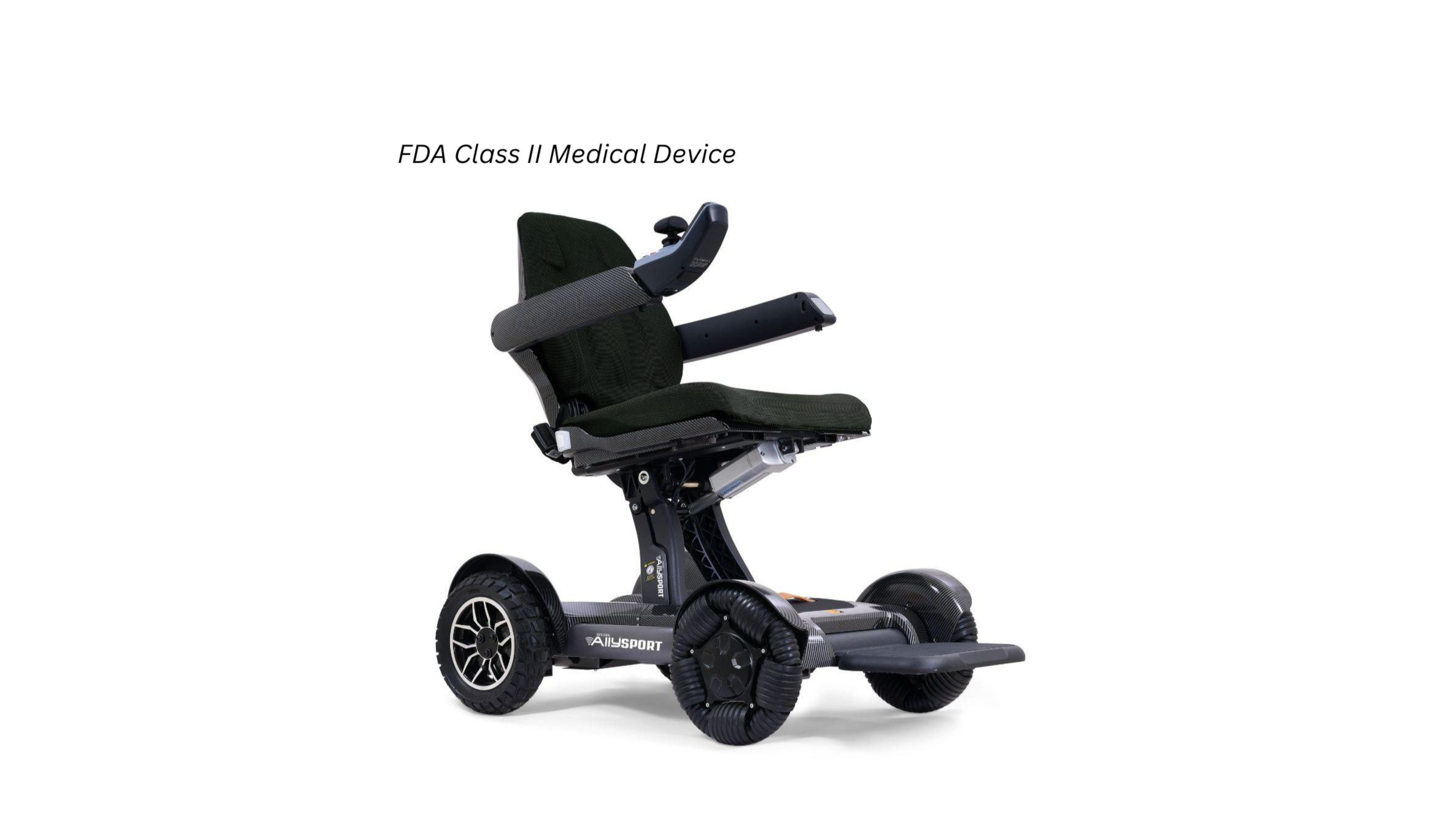
Power wheelchairs are built for people who need consistent, full-time mobility support. They’re operated with a joystick, which requires very little arm strength or coordination, making them ideal for those with significant upper body limitations, neurological conditions, or those unable to walk at all. They maneuver well indoors, navigate tight spaces with ease, and are specifically designed to hold up to all-day, everyday use.
Understanding Mobility Scooters
Mobility scooters suit people who can walk short distances but struggle with longer outings. They’re steered using handlebars, which requires some arm strength and coordination. Scooters can be trickier indoors due to their size, but they handle outdoor terrain and extended distances well. They’re a popular choice for regular outings like shopping or community events where you’d otherwise be on your feet for extended periods.
Key Questions to Ask Yourself
A few practical questions can help narrow things down. Where will you use the device most — indoors, outdoors, or both? Power wheelchairs generally perform better inside, while scooters tend to suit outdoor use. And how much upper-body strength do you have? If steering handlebars for extended periods is difficult, a joystick-operated chair is likely a more comfortable and safer option.
Portability and Transport
Transport is worth thinking about carefully. Some scooters — particularly compact travel models — can be broken down into lighter pieces for loading into a car, which suits people who get out frequently or travel to appointments. Full-size models tend to be bulkier and less straightforward to transport.
Power wheelchairs are generally heavier overall, though folding models are available. If you plan to use your device away from home regularly, transport capability is an important factor to discuss before committing.
Getting the Right Fit
Neither device is universally better — the right choice depends entirely on your daily routine, physical needs, and living environment. A mobility specialist can assess your situation and match you to a device that fits both your medical requirements and your lifestyle. It’s also worth trying devices in person where possible, as comfort and ease of use can vary significantly between models.
Taking that time upfront makes a real difference. Rushing into a purchase based on price alone often leads to a device that doesn’t quite fit how you live, which can mean discomfort, underuse, or costly replacements down the line. The right match for your needs, found through careful consideration, will serve you far better for years to come.
Med Supplies
+1 780 409 1509
10134 111 Ave NW
Edmonton
AB
T5G 0B3
Canada